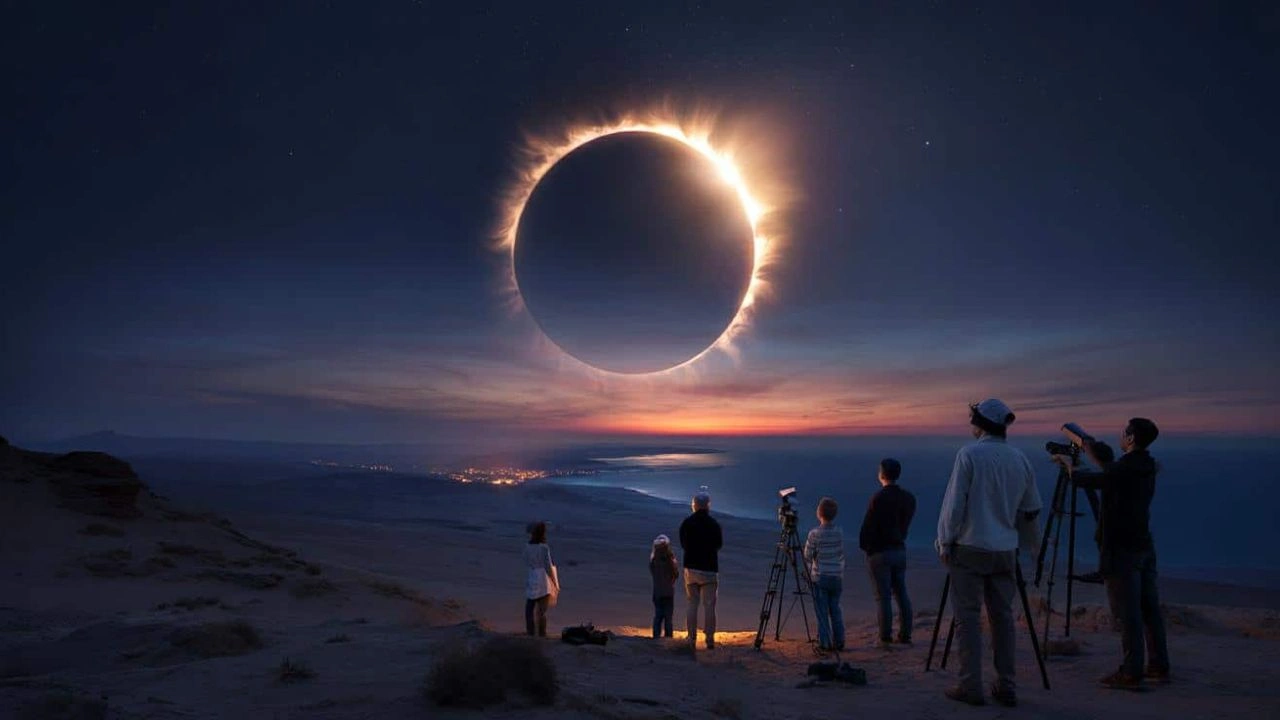
The Eclipse of the century is not just an astronomical event; it is a rare moment where the natural world puts on one of its most powerful shows. If you have ever seen a total solar eclipse, you know it is not something you forget. But this one, happening in 2075, is shaping up to be historic. Nearly six minutes of total darkness during the day will leave millions speechless, staring at the sky in wonder. The buzz around the Eclipse of the century is real, and for good reason.
This blog post is your complete guide to understanding what makes this eclipse so unique. We will walk you through when and where it happens, why it is such a rare alignment, and how to prepare for the experience of a lifetime. If you are planning to travel or simply want to know the best ways to witness this event, everything you need is right here.
Why the Eclipse of the Century Matters More Than Any Other
The Eclipse of the century is not just longer than usual eclipses, it is better positioned for millions of people to experience. Most solar eclipses last just two or three minutes at most, but this one stretches to almost six. That means more time to observe, more opportunity to feel the emotional weight of the moment, and more chances to capture incredible memories. What makes it even more special is its visibility across some of the most beautiful and accessible regions in southern Europe and North Africa.
It is rare for all the necessary factors to line up just right. The Moon must be at its closest point to Earth, the Earth must be far enough from the Sun to make it appear smaller in the sky, and the shadow of the Moon must cross land areas that are easy to reach. That is exactly what will happen in July 2075. From scientists to tourists, the entire world will be watching. Whether you are standing on a rooftop in Málaga or on a beach in Tangier, you will be part of something historic.
Quick Overview: Eclipse of the Century at a Glance
| Key Detail | Description |
| Event Date | 13 July 2075 |
| Duration of Darkness | Nearly 6 minutes of total eclipse |
| Path of Totality | From the Atlantic Ocean through North Africa and Southern Europe |
| Best Countries to Watch | Spain, Morocco, Italy, Greece, Turkey |
| Ideal Viewing Cities | Málaga, Granada, Tangier, Rabat, Athens |
| Celestial Conditions | Moon near perigee, Earth farther from the Sun |
| Sky Forecast | High chance of clear skies in Mediterranean regions |
| Travel Prep Time | Start planning 2 to 3 years in advance |
| Visual Experience | Deep twilight, temperature drop, and emotional silence |
| Type of Experience | Scientific, emotional, and travel-worthy |
Eclipse of the Century: When Will the Sky Go Dark?
This spectacular celestial event will take place on 13 July 2075. The Eclipse of the century will deliver one of the longest durations of total solar eclipse seen in modern history. What makes this eclipse truly special is the near-perfect alignment of the Moon and Sun, thanks to the Moon being at its closest distance to Earth at that time. This results in the Sun being completely covered for nearly six full minutes, almost twice the duration of typical eclipses.
The experience is expected to draw massive global interest. Entire regions in southern Europe and North Africa are preparing to host visitors from around the world. Cities like Málaga and Tangier will be near the central line of totality, offering a front-row seat to this rare moment. Expect the atmosphere to be electric, with scientists, families, travelers, and eclipse enthusiasts gathering to witness a moment that will never be forgotten.
The Eclipse of the Century: Six Minutes That Will Change You
The Eclipse of the century is not just about science or timing. It is a deeply emotional event. For many, those six minutes bring tears, silence, cheers, or awe. The moment the light fades and the stars appear in the middle of the day, people forget their cameras and phones and just watch. It is an incredible reminder of how connected we all are under one sky.
The setting adds to the power of the experience. Imagine standing in a scenic European village or on a quiet Moroccan coast when everything goes still. There is a noticeable drop in temperature, animals go quiet, and for just a few minutes, nature offers silence. That is the kind of memory that stays with you for life. That is why this is not just another solar eclipse. It is the Eclipse of the century.
Six Minutes of Totality Does Not Happen by Magic
To get nearly six minutes of total darkness, everything must line up with amazing precision. The Moon needs to be close enough to Earth so that it fully blocks out the Sun. At the same time, the Earth must be positioned farther from the Sun in its orbit. These two details make the Sun appear smaller and the Moon appear larger in the sky.
But even with perfect conditions, your experience depends on location. Being even slightly outside the centerline of totality could reduce your viewing time by minutes. That is why cities like Málaga and Tangier are already being talked about as top destinations. Eclipse experts use geographic coordinates to pinpoint the best spots, and those in the center will get the most dramatic and longest show.
Best Places on Earth to Watch Six Minutes of Darkness
If you want the full Eclipse of the century experience, location matters. Here are the top places to see it best:
- Southern Spain
Málaga and Granada are in the prime eclipse zone. These cities also offer easy access, good weather, and strong travel infrastructure. - Northern Morocco
Tangier and Rabat offer stunning coastal views and will be directly in the eclipse’s path. These spots are also great for cultural exploration. - Western Mediterranean Islands
Beautiful coastlines and typically clear skies make these islands perfect for a peaceful eclipse experience. - Southern Italy and Greece
Although slightly outside the centerline, these regions still offer long durations and breathtaking views.
Hotels in these areas are likely to be fully booked well in advance. Some cities may even organize special eclipse viewing events and public celebrations.
How to Actually Live Those Six Minutes (and Not Just Record Them)
When the moment finally arrives, the best thing you can do is be present. Many people regret watching the eclipse only through a camera or phone screen. Set up your gear early, then step away. Feel the shift in light. Listen to the silence around you. Look up and take in the sight with your own eyes during totality.
Make a checklist in advance. Bring eclipse glasses, sun protection, a paper map, snacks, and layered clothing. Check weather forecasts the night before and have a backup plan in case clouds roll in. Most importantly, travel with someone who understands the value of the moment. The Eclipse of the century is something to feel together.
A Six-Minute Reminder That We Are Tiny and Lucky
For six brief minutes, the world will slow down. People will stop talking, traffic will pause, and eyes will turn to the sky. Whether you are standing on a mountaintop or sitting quietly by the sea, the feeling is the same. We are small, this universe is vast, and the Eclipse of the century is a beautiful reminder of both.
It is an event that inspires awe, reflection, and connection. Those who have seen a total solar eclipse before say it changes the way you see the world. And this one, with its rare alignment and long duration, promises to be more powerful than any before it.
FAQs
How long will the eclipse last?
In cities along the central path, the total eclipse will last nearly six minutes. This is much longer than most total solar eclipses.
Is it safe to watch the eclipse without glasses?
You must wear eclipse glasses before and after totality. Only during the few minutes of total darkness is it safe to look directly at the eclipse.
What are the best places to see the eclipse?
Southern Spain and Northern Morocco offer the best combination of location, weather, and accessibility. Cities like Málaga and Tangier are ideal.
What if the weather is cloudy?
Clouds can block the view, so many eclipse watchers stay flexible and prepared to move locations based on updated forecasts.
Do I need special equipment to watch the eclipse?
Eclipse glasses are essential. Cameras and telescopes can enhance the view, but they are optional. Comfort items like chairs, maps, and snacks are helpful.