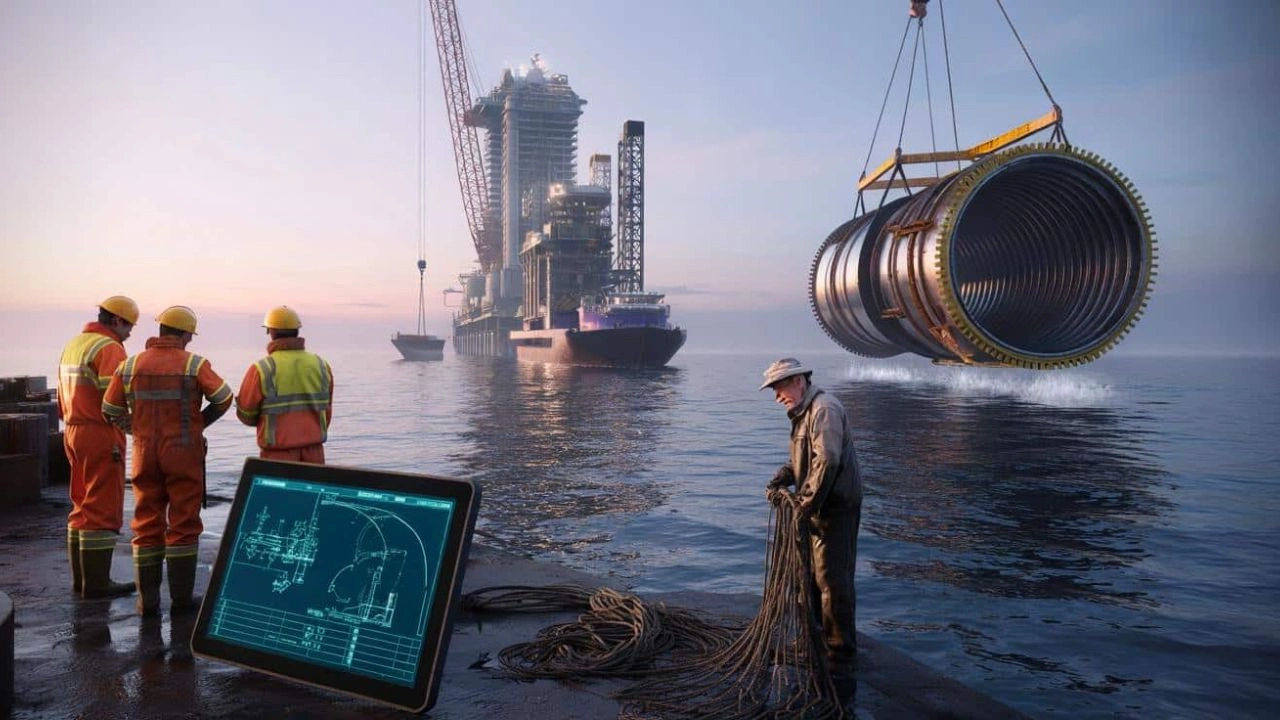
The deep-sea rail tunnel is no longer a distant dream or a wild idea whispered among engineers. It is happening. With construction officially underway, this bold megaproject is set to change the way the world thinks about cross-continental transportation. For years, people dismissed the concept as pure fantasy. But now, survey ships are in place, tunnel segments are being delivered, and work has started beneath the surface.
This article explores everything you need to know about the deep-sea rail tunnel—from how it is being built to what it means for the environment, global trade, and travel. We will break down the engineering methods, potential challenges, and why the world is watching closely. Whether you are curious about how it works or wondering when you can ride it, this guide has you covered.
Deep-sea Rail Tunnel: The Beginning of a New Transport Era
There are many reasons why the deep-sea rail tunnel is being called the start of a new transport era. First, it aims to do something no project has done before—connect entire continents with a high-speed rail running deep under the Atlantic Ocean. This is not just about speed. It is about creating a clean and efficient way to move goods and people between Europe and North America.
Right now, the world relies heavily on airplanes and cargo ships for international travel and trade. Both options take a toll on the environment and are vulnerable to delays. This tunnel changes that. It offers a new path forward, one that could reduce emissions, cut travel time, and open up a future where long-distance transport is both faster and greener. The potential is huge, and the global interest is growing by the day.
Overview Table
| Feature | Description |
| Project Name | Transatlantic Deep-Sea Rail Tunnel |
| Route | Europe to North America |
| Total Length | Estimated over 5,000 kilometers |
| Current Status | Early construction and seabed survey phase |
| Primary Transport Mode | High-speed electric rail |
| Technology Used | Tunnel-boring machines, prefabricated tunnel segments |
| Environmental Benefit | Low-emission alternative to air and sea transport |
| Estimated Travel Time | Approximately 4 to 6 hours |
| Expected Completion Timeline | Full operation could take several decades |
| Economic Impact | Could transform global trade routes and logistics |
The Day the “Impossible” Project Stopped Being a Rumor
For decades, the idea of a train running beneath the ocean sounded more like science fiction than a real plan. But that changed when satellite images showed ships gathering in strategic parts of the Atlantic. At first, the public thought it was just another research mission. Then came the confirmation: construction had begun. No press conferences, no flashy ads. Just the facts—contracts signed, drills in the water, and heavy components arriving at ports.
In places like Iceland, marine geologists have started scanning the ocean floor, looking for the best path for the tunnel. This groundwork is vital. The tunnel needs to avoid fault lines, unstable seabeds, and other natural hazards. This stage is not glamorous, but it is one of the most important steps in making sure the tunnel is safe and sustainable in the long run.
How Do You Actually Build a Tunnel Beneath an Ocean?
Digging a tunnel under the sea sounds impossible, but engineers have been preparing for this kind of challenge for years. Along the coastlines, tunnel-boring machines will dig through solid rock, using the same basic methods used for city subway systems or mountain tunnels. These machines are incredibly powerful and leave behind tunnel supports as they move forward.
Deeper under the ocean, the process shifts. Instead of boring, engineers will create large tunnel segments on land, float them into position on the sea’s surface, and sink them into carefully prepared trenches. Each piece must connect perfectly, forming a sealed passage on the ocean floor. Robots and remote-controlled tools will handle most of the underwater assembly, as human divers cannot survive the depth and pressure.
Why Risk So Much? The Potential Payoff
The risks are real. This is one of the most complex infrastructure projects ever attempted. But the rewards are equally massive. If successful, the deep-sea rail tunnel could change the way the world trades and travels. Shipping goods could take hours instead of days. Travelers could skip the chaos of airports and enjoy a smoother, faster journey.
More importantly, this tunnel is being built with sustainability in mind. High-speed electric trains create fewer emissions than planes and ships. As climate concerns grow, a tunnel like this becomes more than a convenience—it becomes a necessity. It is a bold investment in a cleaner and more connected future.
The Quiet Rules and Messy Realities Behind a Clean Render
Digital models and concept art show the tunnel as sleek and futuristic. But the reality is much harder. Engineers are designing every part of the deep-sea rail tunnel with failure in mind. That does not mean they expect failure, but they plan for it. Every section includes backup power systems, emergency chambers, and pressure-resistant safety zones.
The teams involved are working with clear rules and backup plans. They know things will not go smoothly all the time. Delays, shifting priorities, and changing weather patterns are expected. That is why flexibility is built into the design. The goal is not perfection. The goal is long-term function and safety.
Designing for Disappointment and Long Timelines
The teams behind the deep-sea rail tunnel are thinking ahead—way ahead. They know leadership and politics will change during the decades this project takes. Budgets may grow or shrink. Public support may rise and fall. But they are planning for all of that.
The approach is simple: stay transparent, adapt quickly, and keep the long-term vision in focus. That means setting realistic timelines, communicating clearly with the public, and building trust across borders. With so many unknowns, that kind of planning is just as important as the engineering.
Key Engineering Risks and Barriers
- Depth and pressure: At nearly 4,000 meters deep, the tunnel must withstand crushing ocean pressure.
- Seismic risk: Fault lines pose a serious threat, and avoiding them is a major part of the design.
- Evacuation planning: Getting passengers out safely in an emergency is a huge challenge.
- Global politics: Cooperation between countries is essential, but not always guaranteed.
- Public opinion: A single issue or failure could reduce trust and derail progress.
A Tunnel Between Continents, and the Question Hiding Behind It
As the first pieces of the deep-sea rail tunnel are delivered, bigger questions are emerging. Can this really work? Will people trust it enough to use it? The project is more than a tunnel. It is a symbol of what is possible when countries and companies aim high and work together.
The project is being watched closely by students, scientists, and travelers all over the world. Whether it becomes a success story or a cautionary tale, one thing is clear: the future of transport is being built right now, under the sea.
FAQs
Is the deep-sea rail tunnel already under construction?
Yes, the early stages like seabed surveys and component delivery have begun, marking the start of real construction.
How will the tunnel handle safety in case of emergencies?
The tunnel will include cross-passages, emergency escape zones, and pressure-proof chambers to ensure passenger safety.
Will the tunnel be faster than flying?
Yes, high-speed trains in the tunnel are expected to complete the journey in about 4 to 6 hours, similar to or faster than a typical flight when including airport wait times.
Is it safe to build a tunnel that deep under the ocean?
Engineers are using advanced materials and technology to ensure safety under extreme pressure and environmental conditions.
When will the public be able to use the tunnel?
The full tunnel may take decades to complete, but test sections could be ready much sooner for trial runs and early use.