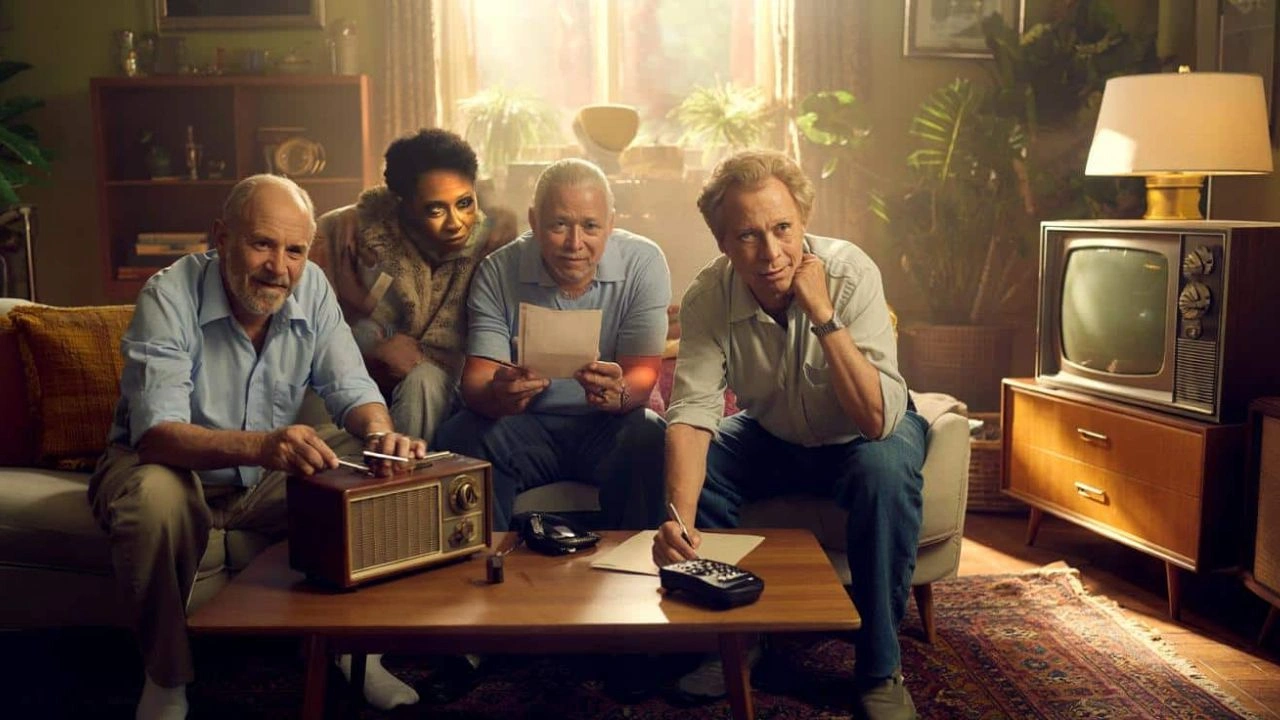
The mental strengths from the 60s and 70s were not shaped in classrooms or from parenting guides. Instead, they were formed through real-life experiences where children and teens had to navigate the world with fewer resources, no digital tools, and a whole lot of independence. Life was slower, but it was more hands-on. That made a difference. People who grew up in those decades learned to sit with boredom, face conflict without filters, and take responsibility for their actions.
In this article, we are diving into the mental strengths from the 60s and 70s that still hold incredible value today. These strengths were not labeled as life skills back then, but they played a major role in shaping emotionally balanced and resilient individuals. We will explore the roots of these traits, how they were naturally formed, and what we can learn from them in our fast-moving, convenience-driven world.
The Lasting Impact of Mental Strengths from the 60s and 70s
What made those decades so unique is how people learned without realizing they were learning. Without therapy apps, self-help influencers, or constant validation, they developed strong emotional muscles. The mental strengths from the 60s and 70s came from fixing their own mistakes, finding their way home without GPS, and dealing with setbacks without expecting someone to fix it for them. Today, many feel overwhelmed by daily stress and emotional noise. But back then, emotional regulation, patience, and independence were everyday necessities. These strengths are still needed now more than ever, and while times have changed, the core values behind them are timeless.
Overview Table
| Key Mental Strength | Real-Life Example from the 60s/70s |
| Frustration Tolerance | Waiting for weekly shows or letters in the mail |
| Independence | Walking to school or cooking meals alone |
| Emotional Regulation | Showing up to school even when feeling anxious |
| Face-to-Face Social Confidence | Resolving fights in person, not online |
| Resourcefulness | Fixing broken items instead of replacing them |
| Delayed Gratification | Saving pocket money for months before spending |
| Problem Solving | Finding answers without Google or quick advice |
| Internal Motivation | Completing chores without rewards or praise |
| Patience | Waiting in lines without phones to distract them |
| Grounded Identity | Defining self-worth through action, not appearance |
High Frustration Tolerance
Back in the 60s and 70s, life had a natural way of teaching patience. Whether it was waiting for your favorite song to come on the radio or standing in line at the store without a phone to scroll through, frustration was part of daily life. The lack of instant gratification meant kids learned to sit with discomfort and delay their desires. This built a quiet strength that helped them stay calm under pressure. Today, digital distractions offer quick fixes, but they also reduce our ability to handle stress. That old-school patience now feels rare, but it is still one of the strongest mental muscles someone can build.
Independence Without Applause
In a time before likes and follower counts, doing things for yourself was just a part of growing up. Children made their own snacks, rode their bikes without tracking apps, and solved their own problems. They were not celebrated for every small task, and that taught them how to rely on themselves. That kind of independence leads to inner confidence. Without the need for constant feedback, people from that era learned to trust their instincts and take pride in quiet achievements. That mindset gave them a strong foundation for adulthood that many still carry today.
A Practical Relationship with Emotions
Emotions were not ignored in those decades, but they were handled differently. People did not stop everything to manage feelings. If you were upset, you still had to go to school, show up for your responsibilities, or help around the house. This approach helped build emotional balance. Instead of being overwhelmed by feelings, people learned how to keep moving forward. Today, emotional regulation is treated as a skill that needs to be taught. Back then, it was something you picked up naturally by watching others and getting through hard days without shutting down.
Social Confidence Built Face-to-Face
Without text messaging or social media, conversations had to happen in real life. That meant asking someone out over the phone, resolving an argument in person, or speaking up in a group. These daily moments helped people grow more comfortable in social settings. They learned how to read body language, listen closely, and handle disagreements without ghosting or blocking someone. As digital communication has taken over, many now struggle with basic face-to-face interactions. The mental strengths from the 60s and 70s in social confidence are proof that practice really does make perfect.
The “Make Do” Mindset
If something stopped working in those decades, the first instinct was to fix it, not replace it. Whether it was a ripped shirt or a broken toy, people found a way to make it usable again. This built a problem-solving mindset that focused on action, not complaint. It also gave people confidence in their ability to handle life’s messier moments. This resourcefulness trained the mind to stay calm under pressure and to focus on what can be done instead of what is wrong. That mindset still applies today, especially when facing modern stress or uncertainty.
Patience for Long Timelines
There was no such thing as overnight delivery or same-day results. People had to wait for film to be developed, letters to arrive, or job applications to be reviewed by hand. This shaped an understanding that progress takes time. Whether it was building a career, saving money, or improving a skill, people were used to working for things slowly. That mindset of long-term thinking helped build discipline and reduce anxiety over fast outcomes. In a world that now promotes speed, this type of patience is a mental strength that can help bring more calm and focus.
A Grounded Sense of Identity
Without the constant pressure to perform online, identity was formed through real-life actions. Your reputation came from how you treated others, how hard you worked, and how you showed up in everyday life. There was no need to manage a digital persona. This helped people feel more secure in who they were. They were not chasing trends or comparing their life to polished images online. Their confidence came from a place of being rooted in reality, not appearance. That grounded sense of identity reduced insecurity and helped support emotional well-being in ways social media cannot offer.
Internal Locus of Control
People in the 60s and 70s often believed that their effort could change their future. If you studied hard, you did better. If you worked more hours, you earned more money. This mindset helped people stay motivated and resilient. They did not wait for outside validation or luck. They believed in showing up, taking responsibility, and putting in the effort. Today, many people feel powerless or overwhelmed by outside forces, but this internal drive can still be learned and practiced through small, daily actions.
Delayed Gratification
This mental strength was built naturally. Whether it was saving up to buy something you wanted or waiting to open a gift, people from this era learned how to enjoy the wait. Delayed gratification is closely tied to better choices, whether it involves money, relationships, or personal growth. It teaches discipline and decision-making. In a culture that often values now over later, this old-school strength is more important than ever.
FAQs
Why were the mental strengths from the 60s and 70s so effective?
Because they were developed through daily life, not through structured lessons. Life itself built emotional resilience and independence.
Can people today still develop these strengths?
Yes, but it takes effort. You can practice them by creating offline experiences, setting long-term goals, and handling tasks without external rewards.
What is the value of face-to-face communication today?
It helps build trust, emotional understanding, and stronger relationships, which are harder to develop through text or social media.
Why is delayed gratification considered a mental strength?
Because it helps people make wiser decisions by focusing on long-term outcomes instead of giving in to short-term desires.
How can someone build frustration tolerance in modern life?
By intentionally reducing quick fixes, spending time without screens, and allowing yourself to feel discomfort without reacting right away.