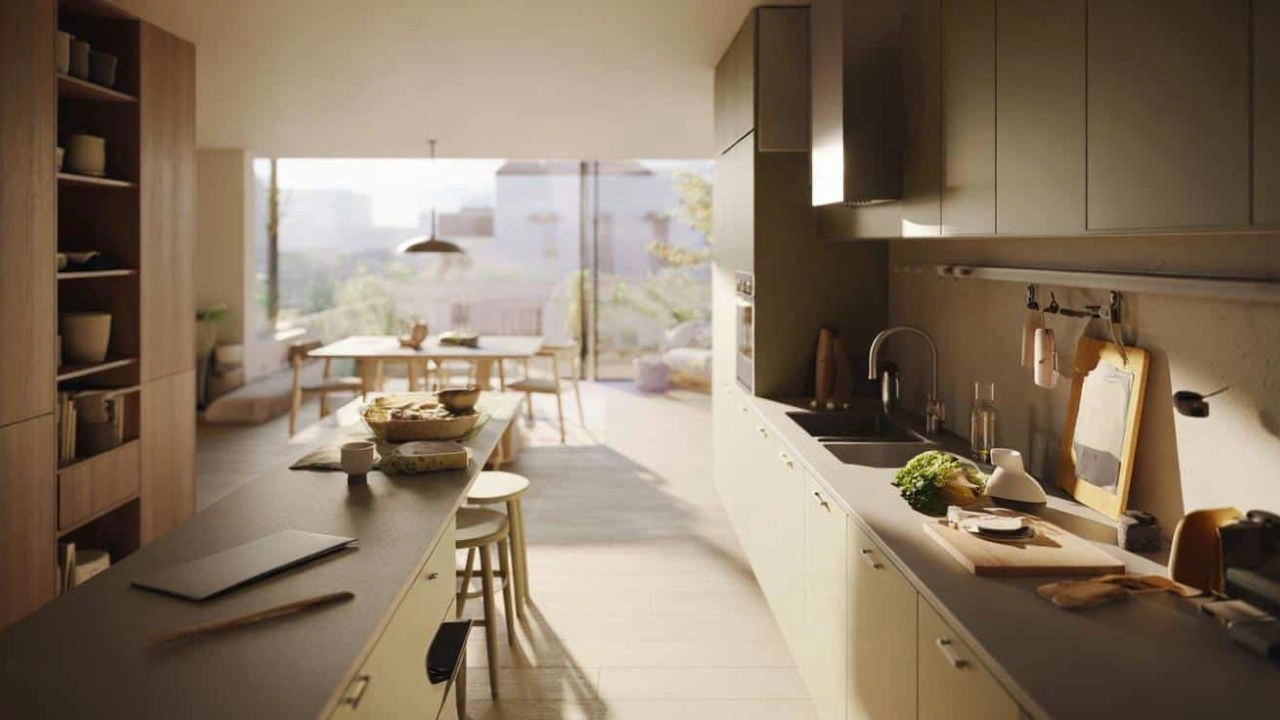
Kitchen island alternatives 2026 are making waves in the world of interior design. For years, kitchen islands have been the showpiece of open-concept homes. They promised style, storage, and social space, but in real-world homes, many people have started to feel the downsides. From tight walkways to cluttered work zones, the traditional island just does not always fit the way people live today.
As we step into 2026, kitchen island alternatives 2026 are not just trending but becoming the preferred option. This article is your guide to understanding what makes these alternatives smarter, more space-savvy, and better suited for modern lifestyles. If your kitchen feels like it revolves around a block in the middle, it might be time to rethink that layout and try something fresh.
Kitchen Island Alternatives 2026 Are Changing How We Use Kitchens
Design trends in 2026 are leaning into flexibility, simplicity, and everyday usability. Homeowners are prioritizing open movement, smart storage, and multi-purpose layouts. Kitchen island alternatives 2026 deliver all of that and more. Unlike bulky islands that often interrupt traffic flow, new designs like wall-mounted peninsulas, floating counters, and kitchen spines offer the same functions without eating up valuable space.
These alternatives reflect the shift in how we live. Kitchens today are not just for cooking. They are for remote work, homework help, entertaining friends, and grabbing quick meals. That is why designers are creating zones that are lighter, more adaptable, and better suited for the demands of a modern household. It is no longer about putting something impressive in the middle. It is about making every square inch count.
Overview of Kitchen Island Alternatives 2026
| Feature | Description |
| Layout Focus | Attached to walls, corners, or extended cabinetry |
| Best For | Small to medium kitchens, open-concept spaces |
| Depth Range | 45 cm to 70 cm |
| Seating Type | One-sided seating or breakfast bar style |
| Functionality | Cooking, eating, remote work, family gatherings |
| Storage Ideas | Shallow drawers, sliding shelves, vertical compartments |
| Design Style | Minimalist, industrial, Scandinavian, modern farmhouse |
| Material Options | Quartz, wood, steel, laminate |
| Add-On Features | Power outlets, hidden compartments, foldable extensions |
| Visual Impact | Light, airy, non-obstructive |
Kitchen Island Alternatives 2026: What You Need to Know
Kitchen island alternatives 2026 are not a downgrade. They are an upgrade in how your kitchen functions. These options eliminate the bulky centerpiece and instead favor lean, long layouts that run along a wall or slightly extend into the room. This change creates better traffic flow, easier cooking routines, and more flexible space for work or gatherings.
One of the most popular alternatives is the updated peninsula. This version, often called the Peninsula 2.0, combines prep space, seating, and storage in one connected structure. It supports real-life activities and blends into the kitchen naturally. Other designs include slim mobile carts, floating counters, or foldable prep stations that disappear when not in use. These are not just stylish. They are built around how people really live.
Why Kitchen Islands Are Losing Ground
Kitchen islands used to be a dream feature. But for many people, they have become a daily headache. A large island might look great, but if it blocks appliances, creates tight walkways, or forces awkward movements while cooking, it becomes more of a problem than a solution.
The issue is that most kitchens are not as big as magazine layouts suggest. Adding a giant block in the middle of a smaller space quickly turns into a traffic jam. Kitchen island alternatives 2026 fix this by offering better circulation and smarter zones. They allow you to cook, move, and live without bumping into furniture or other people.
How the Peninsula 2.0 Works
This is not just a different shape. It is a whole new strategy for how a kitchen should function. The Peninsula 2.0 usually connects to a wall or cabinet run and extends out in a slim, useful way. It often has three key areas: a prep zone, a seating area, and a storage section.
This layout supports daily life in a big way. You can chop vegetables near the sink, plug in a laptop at the far end, and keep utensils in slim drawers tucked neatly below. With overhead lights and integrated power sockets, every inch works harder. You still get all the benefits of a traditional island, just without the clutter or blocked walkways.
Real-World Design Benefits
Kitchen island alternatives 2026 are not just for looks. They make your kitchen easier to live in. You get more space to move, better lighting options, and easier access to cabinets and appliances. Kids can spread out homework while you cook, and the counter stays open for snacks or conversation.
Many of these designs are modular, meaning they can be adjusted or customized. Some fold down when not in use. Others use open bases and slim legs to keep the space light. The goal is to support your life, not just your style preferences. When a kitchen feels easier to use, it becomes a more enjoyable place to spend time in.
Designing a Kitchen Without an Island
If you are planning a renovation, start by taping out walkways. Mark at least one meter of clear path and see what space remains for counters or seating. Many homeowners are shocked to find how little room a traditional island leaves once movement is factored in.
That is why kitchen island alternatives 2026 make more sense. A 45 to 70 cm deep peninsula gives you just the right amount of work and eating space without sacrificing openness. Use open shelving for visual lightness, or mix in drawers to stay organized. Add stools only where legroom allows, and keep functions like sockets and lighting close at hand.
Common Mistakes to Avoid
Many people fall into the trap of designing their kitchen based on online inspiration. While those pictures look amazing, they are often shot in massive spaces that are not realistic for most homes. Trying to fit a big island into a smaller kitchen usually backfires.
Another mistake is sticking with a kitchen island just because you think it adds resale value. Today’s buyers are smarter. They are looking for function, not just flashy features. A kitchen that flows well and adapts to their needs is often more attractive than one built around an oversized island.
Top Features of a Great Peninsula Design
- Play with Levels: Add a slightly lowered section for sitting or desk space
- Use Light Legs and Open Zones: Keep the structure feeling open and airy
- Hide the Hard Work: Face drawers toward the kitchen, keep front simple
- Add Smart Storage: Slim drawers for utensils, spices, or charging cables
- Customize the Shape: Choose straight, curved, or angled layouts to match the room
Real-Life Examples of Kitchen Island Alternatives 2026
- Fold-out counters: Wall-mounted and extendable, ideal for small spaces
- Sliding prep stations: Can be pulled out during use and tucked away when done
FAQs
Are kitchen islands outdated in 2026?
Yes, especially in smaller homes or apartments. More people are choosing compact, smart alternatives that improve movement and flexibility.
Can a peninsula do everything an island does?
Yes. With the right layout, a peninsula offers prep space, seating, storage, and more in a smaller footprint.
How deep should a kitchen peninsula be?
Most effective designs are between 45 to 70 cm deep. This size allows for practical use without dominating the room.
Does removing an island lower resale value?
Not anymore. Buyers care more about how a kitchen works. A smooth layout and open feel often appeal more than a trendy feature.
How can I test if a kitchen island alternative works for me?
Use masking tape or cardboard to map out potential layouts and walk through daily tasks to see what feels natural.